
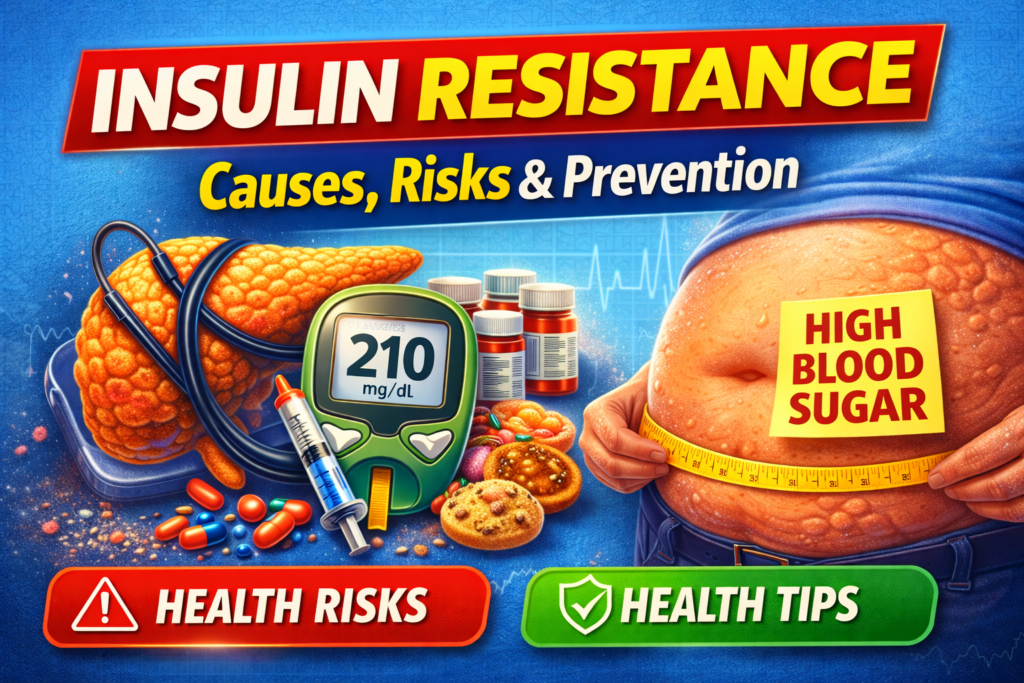
Insulin resistance is a growing health concern worldwide and is closely linked to conditions such as type 2 diabetes, obesity, and metabolic syndrome. Many people live with insulin resistance for years without knowing it, making it an important topic for health awareness.
Understanding insulin resistance, its causes, symptoms, and preventive strategies can help people maintain better metabolic health and reduce the risk of serious diseases.
What is Insulin Resistance?
Insulin resistance occurs when the body’s cells do not respond properly to insulin, a hormone produced by the pancreas. Insulin helps move glucose (sugar) from the bloodstream into the cells where it is used for energy.
When cells become resistant to insulin:
- The body produces more insulin to compensate
- Blood sugar levels begin to rise
- Over time, this may lead to prediabetes and type 2 diabetes
Causes of Insulin Resistance
Several lifestyle and biological factors contribute to insulin resistance.
1. Excess Body Weight
Being overweight, especially having excess fat around the abdomen, increases the risk of insulin resistance.
2. Physical Inactivity
Lack of regular exercise reduces the body’s ability to use insulin effectively.
3. Unhealthy Diet
Diets high in refined carbohydrates, sugary foods, and processed foods can increase insulin resistance.
4. Genetic Factors
Family history of diabetes can increase the likelihood of developing insulin resistance.
5. Hormonal Conditions
Certain hormonal disorders such as polycystic ovary syndrome (PCOS) are associated with insulin resistance.
Symptoms of Insulin Resistance
Insulin resistance often develops without noticeable symptoms, but some signs may include:
- Fatigue or low energy
- Increased hunger
- Difficulty losing weight
- Darkened skin patches (especially around the neck or armpits)
- Increased abdominal fat
Because symptoms can be mild or unnoticed, regular health checkups are important.
Health Risks of Insulin Resistance
If insulin resistance is not managed, it can lead to serious health problems.
Type 2 Diabetes
Insulin resistance is one of the main causes of type 2 diabetes.
Heart Disease
High insulin levels and increased blood sugar can damage blood vessels, increasing the risk of heart disease.
Metabolic Syndrome
This condition includes a group of risk factors such as high blood pressure, high blood sugar, and abnormal cholesterol levels.
Fatty Liver Disease
Excess insulin can lead to fat accumulation in the liver, causing non-alcoholic fatty liver disease (NAFLD).Diagnosis of Insulin Resistance
Doctors may diagnose insulin resistance using several tests:
- Fasting blood glucose test
- HbA1c test
- Oral glucose tolerance test
- Fasting insulin levels
Early diagnosis helps prevent the progression to diabetes.
How to Improve Insulin Sensitivity
The good news is that insulin resistance can often be improved through lifestyle changes.
Maintain a Healthy Weight
Even losing 5–10% of body weight can significantly improve insulin sensitivity.
Regular Exercise
Physical activity helps muscles use glucose more effectively.
Recommended activities include:
- Walking
- Cycling
- Strength training
- Yoga
Healthy Diet
Focus on foods such as:
- Whole grains
- Fruits and vegetables
- Lean proteins
- Healthy fats
Reduce intake of sugary drinks, refined carbohydrates, and processed foods.
Manage Stress and Sleep
Poor sleep and chronic stress can worsen insulin resistance. Aim for 7–8 hours of quality sleep per night.
Treatment Options
In some cases, doctors may recommend medications to improve insulin sensitivity, especially if lifestyle changes are not sufficient.
However, healthy lifestyle habits remain the most effective way to manage insulin resistance.
When to See a Doctor
You should consult a healthcare professional if you:
- Have a family history of diabetes
- Are you overweight or obese
- Experience symptoms such as fatigue or unexplained weight gain
- Have abnormal blood sugar levels
Early intervention can prevent the development of type 2 diabetes.
Conclusion
Insulin resistance is a silent but serious condition that can eventually lead to diabetes and other metabolic disorders. Fortunately, it can often be reversed or managed through healthy eating, regular exercise, weight management, and proper medical guidance.
By making simple lifestyle changes today, individuals can protect their long-term health and reduce the risk of chronic diseases.